RIVERSTONE CHIROPRACTIC & WELLNESS
Digital Motion X-ray (DMX) in South Minneapolis
What digital motion X-ray is
Digital Motion X-ray (DMX) is a motion X-ray of the spine or a joint. Dr. Kyle Schneider, DC, offers DMX at Riverstone Chiropractic and Wellness, 3764 Minnehaha Ave, Suite B, in the Longfellow and Minnehaha area of south Minneapolis, serving the Twin Cities. The study is used when it is reasonable to see how bones move, not only how they look when you are still.
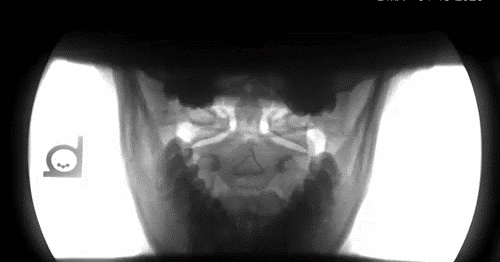
The U.S. Food and Drug Administration describes fluoroscopy as a continuous X-ray image on a monitor, much like an X-ray movie. DMX is a form of video fluoroscopy, also called cineradiography or videofluoroscopy in published research. You move through guided ranges of motion, usually while standing or otherwise bearing weight, while the system records how those bones change position.
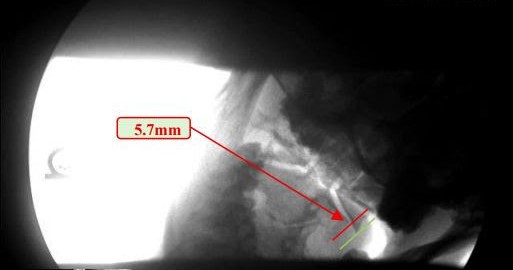
DMX shows bones and their relative motion. When a segment moves more than expected, or in a different pattern than expected, that motion can be associated with ligament laxity or instability. The study does not take a direct picture of the ligaments themselves. A qualified reader interprets the recording with your history, exam, and other imaging. DMX is an imaging test, not a treatment, and it is not appropriate for every patient. Dr. Schneider will discuss whether a study is medically reasonable for you before it is performed, including the use of ionizing radiation.
How DMX differs from a standard X-ray and from an MRI
A standard X-ray records still pictures in a few set positions. Those images can be useful for alignment and bone structure, but they may not show the motion that reproduces symptoms. Researchers have used cineradiography as a valuable adjunct when a problem cannot be identified on conventional radiographs (Hino et al., Spine, 1999). The AMA Guides literature has noted that fluoroscopy or cineradiographic techniques may be more sensitive for subtle abnormal cervical motion, but that increased motion still must be interpreted: it may be normal, compensatory, related to degeneration, or related to ligament injury (AMA Guides Newsletter, 2004). A static X-ray is more like a photograph; DMX is more like a short film of the same area while you move.
Magnetic resonance imaging (MRI) is a different tool, often used to look at discs, the spinal cord, and many soft tissues. A routine MRI is typically done while you lie still, usually on your back, so it may not show motion under load. DMX does not replace MRI. If you already have those images, please bring them.
Who may be a candidate
Doctors sometimes consider DMX when symptoms are provoked by movement, continue after trauma, or are not fully explained by still images. It is not a screening test for people without a clinical reason for imaging.
After a car crash or whiplash. Whiplash is a neck injury from a sudden back-and-forth motion of the head, most often in a rear-end crash, and it can also occur in sports or falls (Mayo Clinic). Symptoms may include neck pain and stiffness, headaches, limited motion, and shoulder or arm symptoms, and they may start immediately or over the following days. A motion study may be discussed if it could help document how the neck moves. One study of videofluoroscopy, also called DMX, in people with chronic post-whiplash pain reported that multiple abnormal motion findings helped distinguish injured from uninjured volunteers in that sample (Freeman et al., 2020). That research is useful context, not a guarantee of findings, and a report does not prove a legal claim.
Neck symptoms after a concussion. Some people have neck pain or movement-related symptoms alongside a concussion or during recovery. DMX does not diagnose a concussion and should not be used to clear a concussion. Concussion care should be directed by the appropriate medical clinician. If neck symptoms remain, he can discuss whether a neck exam and, in selected cases, a motion study may be reasonable.
Sports collisions and falls. If motion continues to reproduce symptoms after a sports injury, DMX of the neck or of a selected extremity joint may be considered. Return-to-play decisions belong with the treating clinician and, when applicable, a team physician. A motion study alone does not clear an athlete for sport.
What to expect, how to prepare, and how results are used
If a study is recommended, you will move the neck or joint through guided motions while images are recorded in the office. Wear clothing that allows the area to be seen, and be prepared to remove nearby metal jewelry. Tell the office if you are or may be pregnant before any study is scheduled. The FDA and CDC note that fluoroscopy uses ionizing radiation over a period of time and should be used only when the expected clinical benefit outweighs the small radiation risk. Dose varies by the study. If you have a recent fracture, severe or worsening neurological symptoms, or another urgent problem, emergency care comes first.
After the study, a report is prepared. Findings may inform conservative care, activity changes, or a referral, and can be sent to other clinicians or, with written authorization, to an attorney. Results do not set a settlement value or predict recovery.
For referring physicians and attorneys
Riverstone welcomes imaging-focused referrals from medical doctors, other chiropractors, and legal teams in the Twin Cities. The usual clinician arrangement is imaging and a report back to the referring provider. Attorneys who already represent a client may request ordering information. Records are shared only with written authorization, and the office does not pay or accept fees for referrals. To refer, call (612) 545-5815 or use the referral form on the website if one is provided.
Sources for the imaging facts on this page
FDA, Fluoroscopy: https://www.fda.gov/radiation-emitting-products/medical-x-ray-imaging/fluoroscopy
CDC, Facts About Fluoroscopy: https://www.cdc.gov/radiation-health/data-research/facts-stats/fluoroscopy.html
Hino H, et al. Dynamic Motion Analysis of Normal and Unstable Cervical Spines Using Cineradiography. Spine. 1999. https://pubmed.ncbi.nlm.nih.gov/9926388/
AMA Guides Newsletter, Motion Analysis of the Cervical Spine, Sept/Oct 2004. https://doi.org/10.1001/amaguidesnewsletters.2004.sepoct01
Freeman MD, et al. Diagnostic Accuracy of Videofluoroscopy for Symptomatic Cervical Spine Injury Following Whiplash Trauma. Int J Environ Res Public Health. 2020;17(5):1693. https://www.mdpi.com/1660-4601/17/5/1693
Mayo Clinic, Whiplash: Symptoms and causes. https://www.mayoclinic.org/diseases-conditions/whiplash/symptoms-causes/syc-20378921
To ask whether Digital Motion X-ray may be appropriate, call (612) 545-5815 or use the new-patient form on this website. Riverstone Chiropractic and Wellness is at 3764 Minnehaha Ave, Suite B, Minneapolis, MN 55406, in the Longfellow and Minnehaha area of south Minneapolis. Hours are Monday–Thursday 8 AM–5 PM, Friday 8 AM–1 PM, Saturday 8–11 AM, Sunday closed.
Related pages
The DMX system in the office
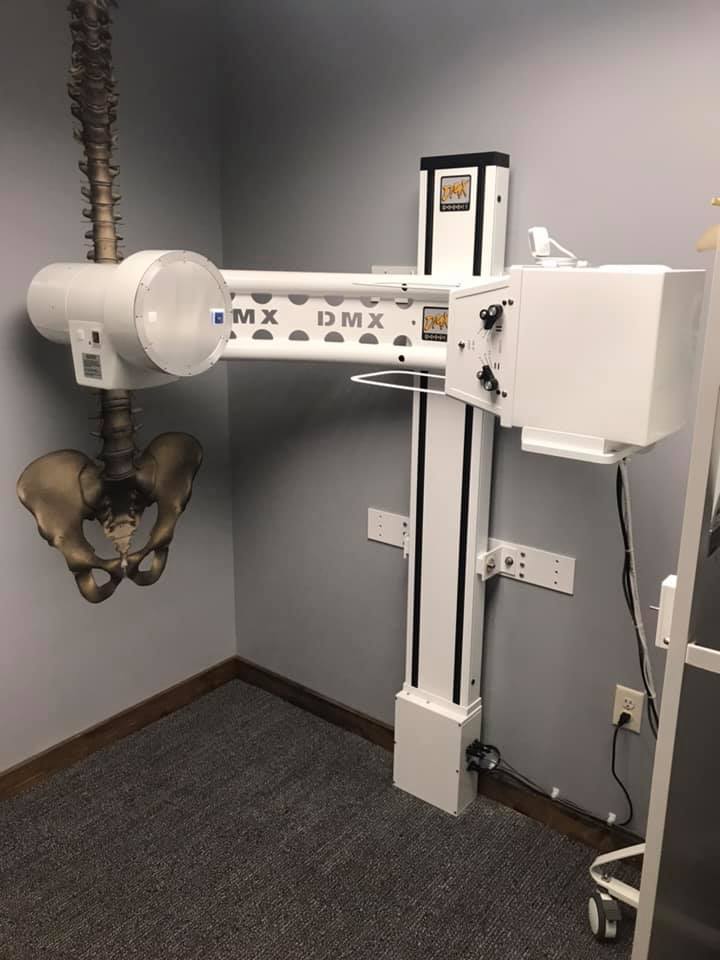
The office DMX system records the spine or a joint while you move.


Published DMX cash rates
Cervical Spine DMX
$700
Extremity DMX
$300
DMX referral form
For healthcare providers and authorized legal teams.